What the Collapse of Bollinger Motors Means for the EV Truck Market (and Why It Matters)
What Happened: Bollinger Motors Is Officially Closed
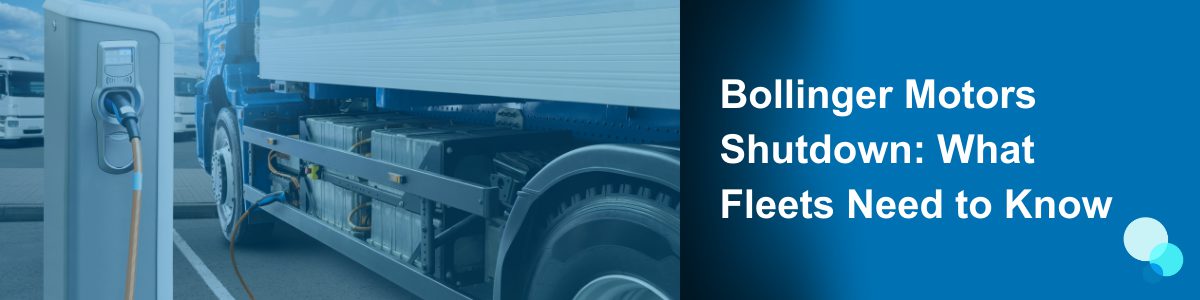
Bollinger Motors — the Michigan-based EV startup behind the B4 Class-4 electric truck — has shut down operations permanently. Their final day of business was November 21, 2025, according to internal emails reviewed by reporters. Source
According to the company’s Human Resources Director, the reason for closure was “mounting debts and unpaid bills,” including weeks of missed payroll for many employees.
Why Bollinger Failed: Key Factors Behind the Shutdown
-
Chronic Cash-Flow Problems & Unpaid Payroll: Reports indicate employees hadn’t been paid for multiple pay periods before the shutdown, and several unpaid supplier bills piled up. Source
-
Unrealized Production Promises: While Bollinger initially gained attention with the B1 and B2 electric pickup/SUV concepts, those vehicles never entered mass production. The company later pivoted to commercial EV chassis (like the B4), but that wasn’t enough to stabilize finances. Source
-
Ownership Turmoil and Legal Debt: Bollinger was purchased by Mullen Automotive (now rebranded as Bollinger Innovations) in 2022 — a deal intended to save the company. But ongoing lawsuits, mounting supplier claims, and failed promises reportedly eroded investor and stakeholder confidence. Source
Broader Implications for the EV & Trucking Industry
- EV Truck Startups Face Higher Risk Than Ever
- Bollinger’s collapse illustrates how challenging it is to transition from design/prototypes to sustainable production — especially in the heavy commercial-truck space. For every investor betting on EV disruption, this is a warning: cash flow, execution, and supply-chain consistency matter more than hype.
- Supply Disruptions and Customer Fallout
- Customers who reserved or planned purchases of Bollinger’s trucks will likely face major delays or cancellations — undermining trust in pre-order EV models. Meanwhile, commercial fleets looking for Class-4 EV chassis have one less supplier to consider.
- Industry Consolidation Expected
- As weaker EV-truck makers fail, established truck and EV companies may consolidate their hold. That could slow innovation, but favor firms that combine realistic production plans with strong financing, compliance, and vertical integration.
Why This Matters for Funders, Fleets, and Trucking Professionals
If you work in freight financing, fleet operations, or factoring — Bollinger’s collapse is a reminder of two truths:
-
Cash flow and operational discipline always win over hype. Even the most promising EV design fails without a solid financial foundation.
-
Volatility in the EV trucking sector could ripple outward. That could impact demand for factoring, fleet financing, and working-capital solutions — especially if fleets reassess EV investments or face uncertainty about vehicle supply.
How Porter Freight Funding Helps Fleets Stay Stable During Industry Shakeups
As EV manufacturers face uncertainty and market volatility grows, steady cash flow becomes more important than ever for trucking companies. Porter Freight Funding helps fleets stay resilient through rapid industry changes by offering same-day funding, instant broker credit checks through PorterGO, and fuel savings that offset rising operating costs. Whether a fleet is navigating equipment delays, evaluating EV investments, or simply trying to stabilize cash flow, Porter provides the financial support and real-time tools trucking companies need to stay profitable—no matter what disruptions hit the market next.
Contact Porter Freight Funding Today
Having a trucking authority allows for career growth and independence and will help your business increase revenue. If you’re looking to get your trucking authority and need help, give Porter Freight Funding a call at (205) 397-0934 or fill out our online form to speak with a trucking specialist.